
Childcare in Langley BC: A Parent’s Guide to Quality Early Education
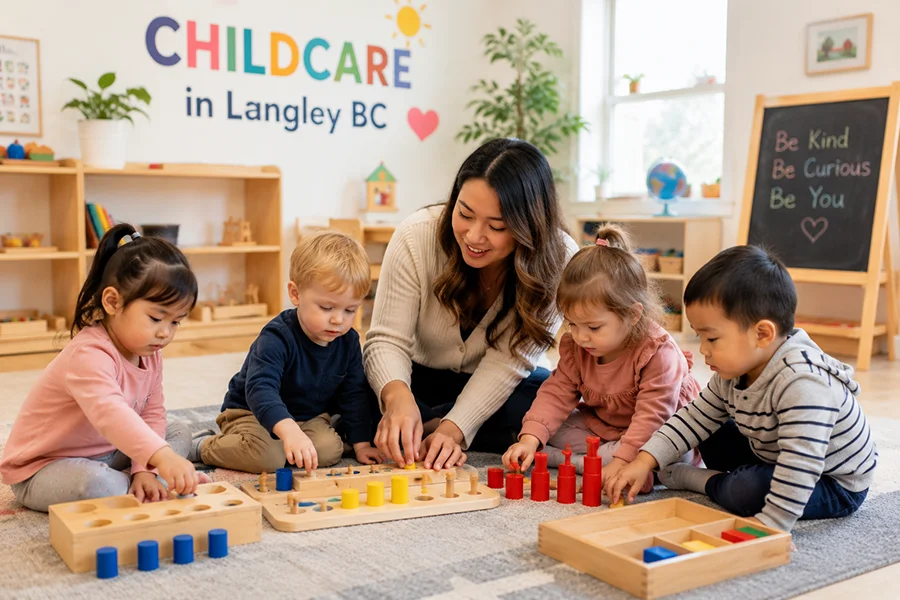
Finding the right childcare in Langley BC is an important decision for families with young children. Parents want a safe and caring place where their child can feel comfortable, build confidence, make friends, and develop important early learning skills.
Quality childcare is more than daily supervision. A strong childcare program supports the whole child, including social development, emotional growth, language skills, independence, physical coordination, creativity, and early academic readiness.
This guide will help parents understand what to look for when choosing childcare in Langley BC and how to find a program that fits both the child’s needs and the family’s daily schedule.
Why Quality Childcare Matters
The early years are a critical time in a child’s development. During this stage, children are learning how to communicate, follow routines, express emotions, solve problems, interact with others, and explore the world around them.
A quality childcare program can help children:
- Feel safe and supported away from home
- Develop social confidence
- Build language and communication skills
- Practice independence
- Learn through hands-on activities
- Strengthen fine and gross motor skills
- Build emotional security
- Prepare for preschool and kindergarten
For parents, reliable childcare also provides peace of mind. When children are cared for in a nurturing and structured environment, parents can focus on work and family responsibilities with greater confidence.
What Makes Good Childcare in Langley BC?
Good childcare should provide a balance of safety, care, learning, structure, and emotional support. Children need an environment where they are respected as individuals and encouraged to grow at their own pace.
A strong childcare program should include:
- A safe and clean environment
- Caring and experienced educators
- Age-appropriate learning activities
- Predictable daily routines
- Outdoor play and movement
- Social interaction
- Emotional support
- Clear communication with parents
- A child-centered approach to learning
Parents should look for childcare that feels warm, organized, respectful, and developmentally appropriate.
Licensed Childcare Gives Parents Confidence
When searching for childcare in Langley BC, many parents look for a licensed childcare provider. Licensed childcare programs are expected to meet specific requirements related to health, safety, supervision, staffing, and program operation.
Choosing a licensed daycare or childcare program can give parents more confidence because the centre must follow important childcare standards.
Parents may want to ask:
- Is the childcare centre licensed?
- What ages are accepted?
- What is the staff-to-child ratio?
- What health and safety procedures are followed?
- How are children supervised?
- What is the daily schedule?
- How does the centre communicate with parents?
A licensed childcare environment can provide both structure and accountability, which are important for families choosing care for young children.
Safety Should Come First
Safety is one of the most important factors when choosing childcare. Children need to feel safe physically and emotionally before they can learn, play, and build relationships.
Parents should look for:
- Secure entrances and exits
- Clean classrooms
- Safe toys and learning materials
- Child-sized furniture
- Supervised indoor and outdoor spaces
- Clear pick-up and drop-off procedures
- Emergency preparedness
- Healthy routines for meals, handwashing, and rest
Emotional safety is also important. Children should be guided with patience, respect, and kindness. A good childcare environment helps children feel welcomed, valued, and understood.
The Importance of a Nurturing Environment
Young children learn best when they feel secure and cared for. A nurturing childcare environment helps children build trust, confidence, and emotional stability.
A nurturing environment may include:
- Warm greetings at arrival
- Calm and respectful communication
- Gentle support during separation
- Encouragement during activities
- Comfort when children feel upset
- Positive guidance during conflicts
- Respect for each child’s personality and pace
When children feel emotionally supported, they are more likely to explore, participate, make friends, and enjoy learning.
Early Learning Through Play and Hands-On Activities
A good childcare program should provide meaningful learning opportunities throughout the day. Young children learn through play, movement, conversation, observation, repetition, and hands-on experiences.
Early learning activities may include:
- Storytime
- Music and movement
- Art and creative expression
- Building and construction
- Practical life activities
- Sorting and matching
- Sensory exploration
- Outdoor play
- Group activities
- Early language and math experiences
The goal is not to pressure children academically. The goal is to create a rich environment where children naturally develop curiosity, confidence, and foundational skills.
Montessori-Inspired Childcare as an Option
For families looking for childcare in Langley BC, a Montessori-inspired program can be a strong option. Montessori education focuses on independence, hands-on learning, practical life skills, concentration, and respect for the child’s development.
In a Montessori-inspired childcare environment, children may be encouraged to:
- Choose age-appropriate activities
- Work with hands-on materials
- Practice real-life skills
- Build independence
- Follow classroom routines
- Care for their environment
- Develop concentration
- Learn through repetition and exploration
This approach can help children feel capable and confident. It also supports important skills that prepare children for preschool, kindergarten, and future learning.
Practical Life Skills Build Confidence
Practical life activities are especially valuable in early childhood. These activities help children practice real-world tasks in a safe and age-appropriate way.
Examples may include:
- Pouring water
- Scooping
- Sorting
- Cleaning up
- Folding
- Buttoning
- Zipping
- Washing hands
- Carrying trays
- Caring for plants
These activities may seem simple, but they help children develop coordination, patience, focus, responsibility, and independence. When children can complete small tasks by themselves, they begin to feel more confident and capable.
Social Development in Childcare
Childcare gives children important opportunities to interact with other children. For many young children, childcare is one of their first experiences in a group setting.
A quality childcare program helps children learn how to:
- Share
- Take turns
- Listen to others
- Use words to express needs
- Build friendships
- Participate in group activities
- Respect classroom routines
- Solve small conflicts with guidance
Social development is a key part of early education. Children who practice communication and cooperation in childcare often become more confident in preschool and kindergarten settings.
Language Development and Communication
Language development happens throughout the childcare day. Children build vocabulary and communication skills through conversation, songs, stories, group activities, and daily routines.
A strong childcare program may support language development through:
- Reading books
- Singing songs
- Naming objects
- Asking open-ended questions
- Encouraging children to express feelings
- Group discussion
- Vocabulary games
- Peer interaction
- Teacher-child conversation
Language skills are closely connected to confidence, social development, and kindergarten readiness. A rich language environment helps children learn how to understand others and express themselves clearly.
Emotional Development and Self-Regulation
Young children are still learning how to understand and manage emotions. A good childcare program supports emotional development with patience and consistency.
Children may learn how to:
- Recognize feelings
- Use words to express emotions
- Ask for help
- Calm down with support
- Wait for a turn
- Handle disappointment
- Follow simple routines
- Build confidence in group settings
Teachers play an important role in this process. Calm guidance helps children feel safe while learning appropriate ways to respond to challenges.
Daily Routine Helps Children Feel Secure
A predictable daily routine helps children understand what to expect. This can reduce anxiety and make the childcare day feel more comfortable.
A typical childcare routine may include:
- Arrival and greeting
- Free play or independent work time
- Group time
- Snack or lunch
- Outdoor play
- Practical life activities
- Storytime
- Music and movement
- Rest or quiet time
- Pick-up preparation
The best routines provide structure while still allowing room for creativity, exploration, and individual needs.
Outdoor Play and Physical Development
Outdoor play is an important part of quality childcare. Children need time to move, run, climb, balance, explore, and use their bodies.
Outdoor activities can support:
- Gross motor development
- Coordination
- Balance
- Strength
- Creativity
- Social interaction
- Emotional regulation
- Healthy habits
Parents should ask whether outdoor play is part of the daily routine. A childcare program that includes movement and fresh air helps support children’s overall well-being.
Preparing Children for Preschool and Kindergarten
Quality childcare can help children build the foundation they need for preschool and kindergarten. Readiness is not only about letters and numbers. It also includes emotional, social, physical, and practical skills.
Childcare can help children prepare by supporting:
- Independence
- Listening skills
- Following routines
- Fine motor development
- Language skills
- Social confidence
- Emotional regulation
- Problem-solving
- Early math awareness
- Early literacy interest
When children feel secure and capable, they are more likely to enjoy the next stage of learning.
Parent Communication Is Essential
Good communication between parents and childcare providers helps build trust. Parents should feel informed about their child’s day, progress, routines, and any concerns.
Childcare centres may communicate through:
- Daily updates
- Pick-up conversations
- Emails or notices
- Photos or activity notes
- Parent meetings
- Progress updates
Strong communication helps parents and educators work together to support each child’s development.
Flexible Childcare for Working Families
Many families searching for childcare in Langley BC need a program that fits real-life schedules. Parents may be managing work hours, commuting, school schedules, and family responsibilities.
When comparing childcare options, parents should consider:
- Hours of operation
- Drop-off and pick-up times
- Location
- Extended hours availability
- Holiday or closure schedules
- Waitlist process
- Communication policies
A childcare program that works well with the family’s schedule can make daily routines easier and less stressful.
Questions Parents Should Ask Before Enrolling
Before choosing childcare, parents should ask questions such as:
- Is the childcare centre licensed?
- What ages does the program accept?
- What is the daily routine?
- What learning approach is used?
- How are children supervised?
- How do teachers support independence?
- Is outdoor play included?
- How does the centre handle separation anxiety?
- How are conflicts between children managed?
- How does the centre communicate with parents?
- Are tours available?
- Is there a waitlist?
These questions help parents compare childcare programs more clearly and choose a setting that fits their child’s needs.
Signs of a Quality Childcare Program
When visiting a childcare centre, parents can look for positive signs such as:
- Children appear calm and engaged
- Teachers speak respectfully to children
- Classrooms are clean and organized
- Materials are age-appropriate
- Children have opportunities to make choices
- Routines are clear
- Outdoor play is included
- The environment feels warm and welcoming
- Teachers can explain the program clearly
A quality childcare environment should feel safe, caring, purposeful, and child-centered.
Common Mistakes to Avoid
When choosing childcare in Langley BC, parents should avoid these common mistakes:
- Choosing only based on price
- Choosing only based on location
- Not visiting the centre
- Not asking about the daily routine
- Ignoring teacher-child interaction
- Overlooking outdoor play
- Not checking communication style
- Not considering the child’s personality
- Forgetting about family schedule needs
The right childcare should support both the child and the family.
Final Tips for Parents
Before making a decision, take time to visit the childcare centre, observe the environment, ask questions, and consider how your child may feel there.
A strong childcare program should provide:
- Safety
- Warmth
- Structure
- Hands-on learning
- Social development
- Emotional support
- Independence
- Parent communication
- Kindergarten readiness
Parents should choose a place where their child can feel comfortable, respected, and encouraged to grow.
Conclusion
Choosing the right childcare in Langley BC is an important step for your child’s early development. A quality childcare program can help children build confidence, independence, communication skills, social awareness, emotional security, and early learning habits.
Whether you are looking for daycare, Montessori childcare, preschool preparation, or kindergarten readiness, the best program should support your child as a whole person.
A caring and educational childcare environment can help children feel safe, capable, and ready for the next stage of learning.
Looking for caring childcare in Langley BC? BrainBox Montessori provides a nurturing Montessori-based early learning environment where children can build independence, confidence, social skills, practical life skills, and kindergarten readiness through hands-on activities and respectful guidance. Contact us today to learn more or book a visit.